Richeldis Fine Art curates Art collection for One Sydney Harbour Penthouse - Launching 2026

One Sydney Harbour — A Language Between the Works

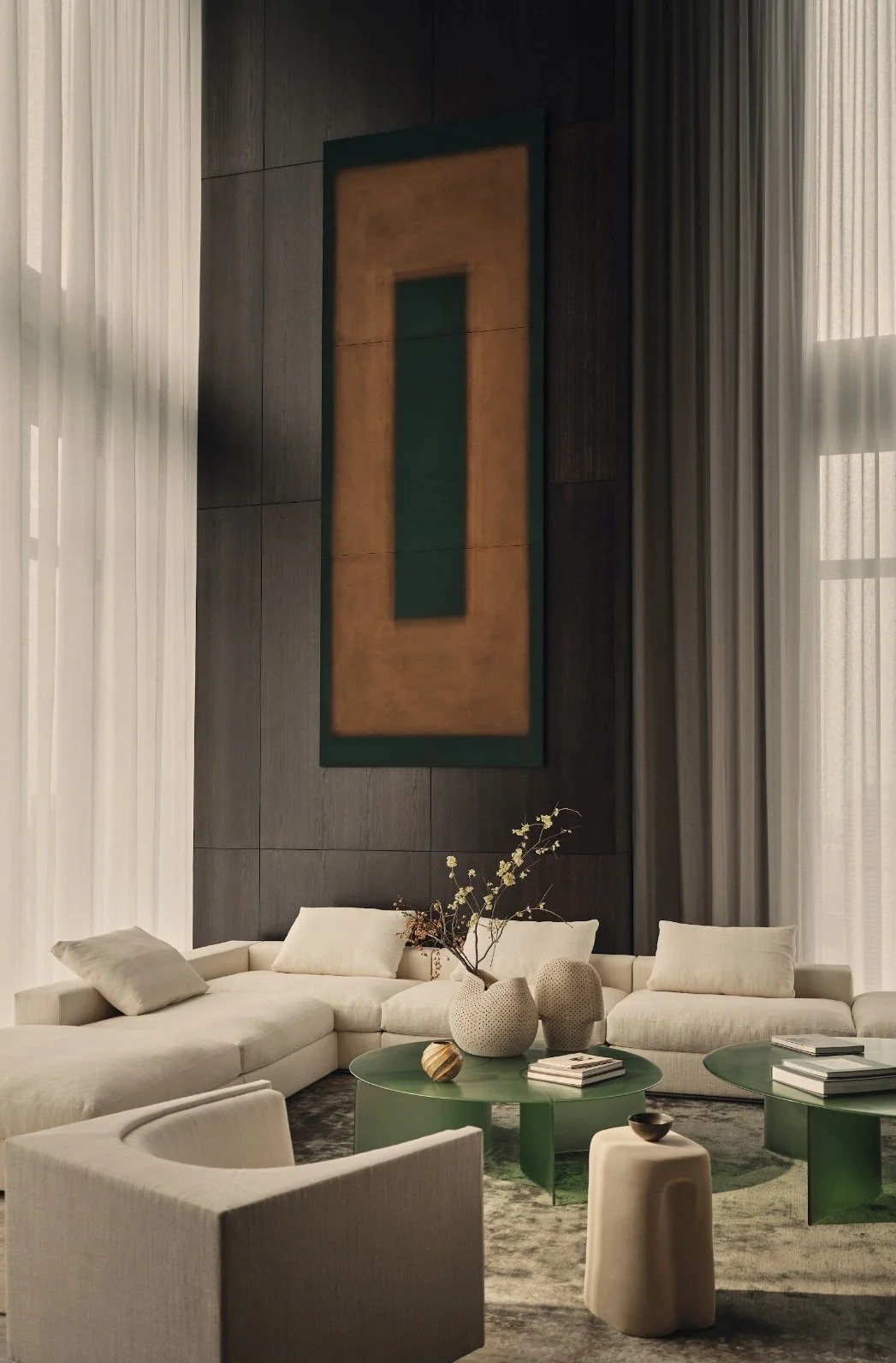
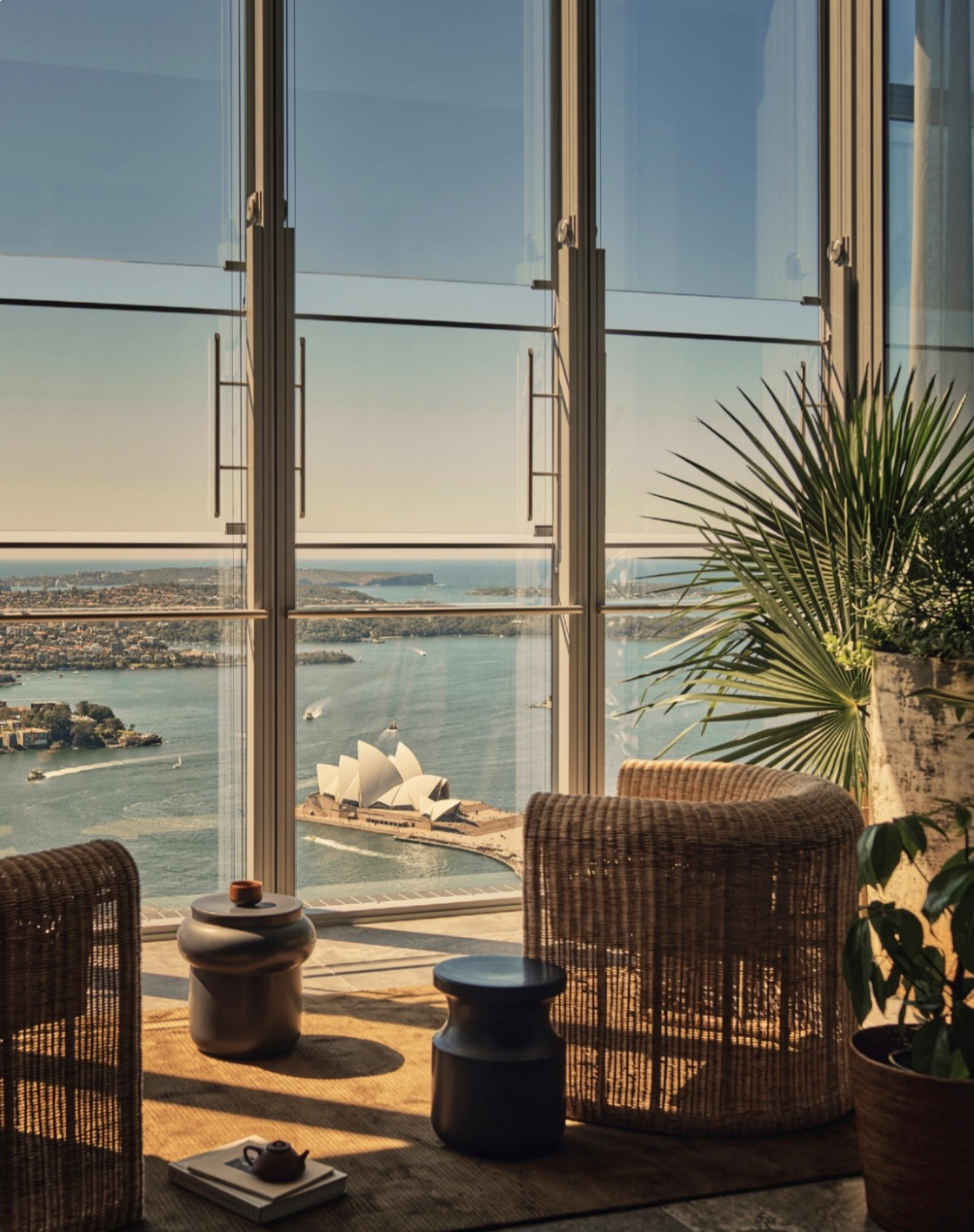
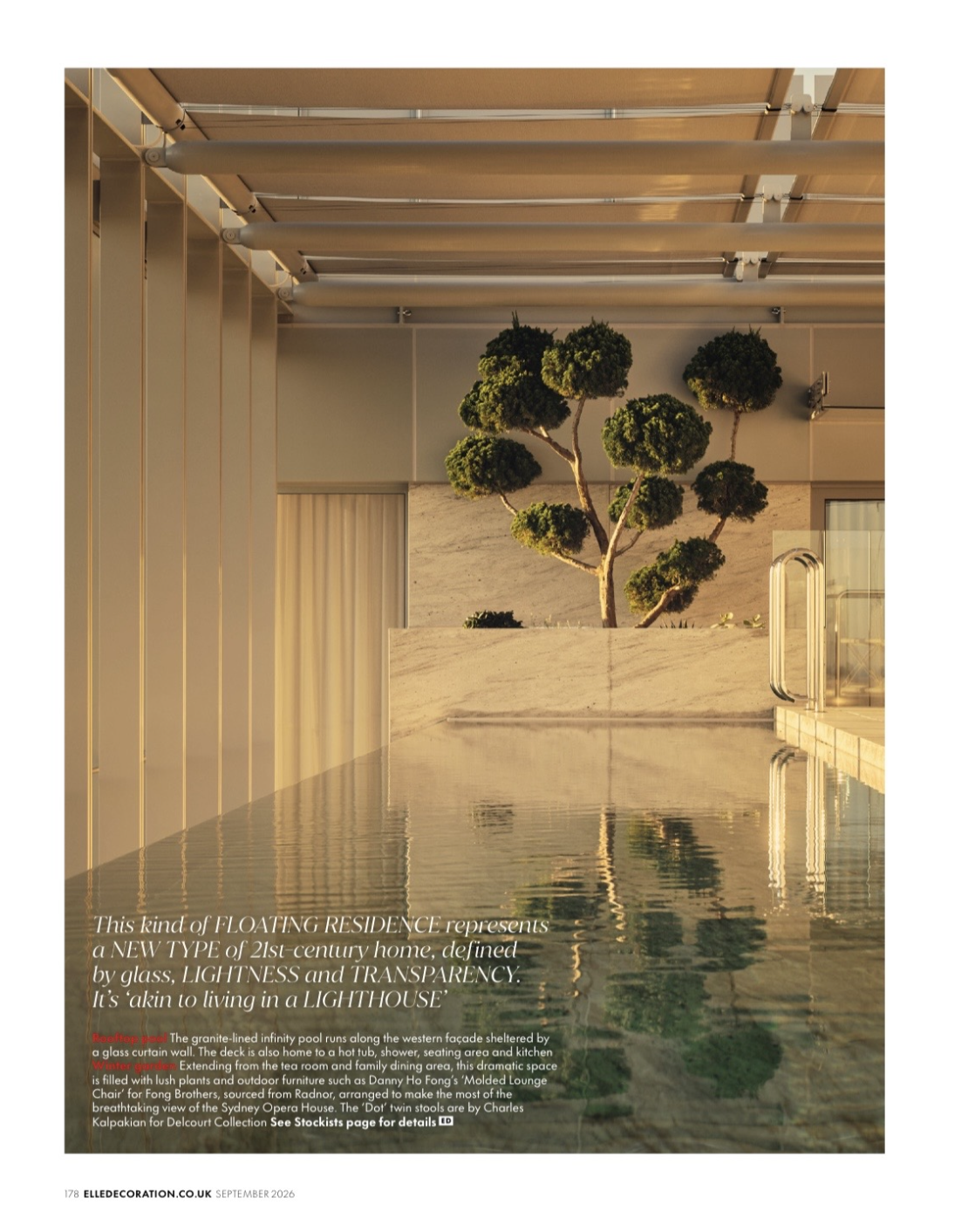
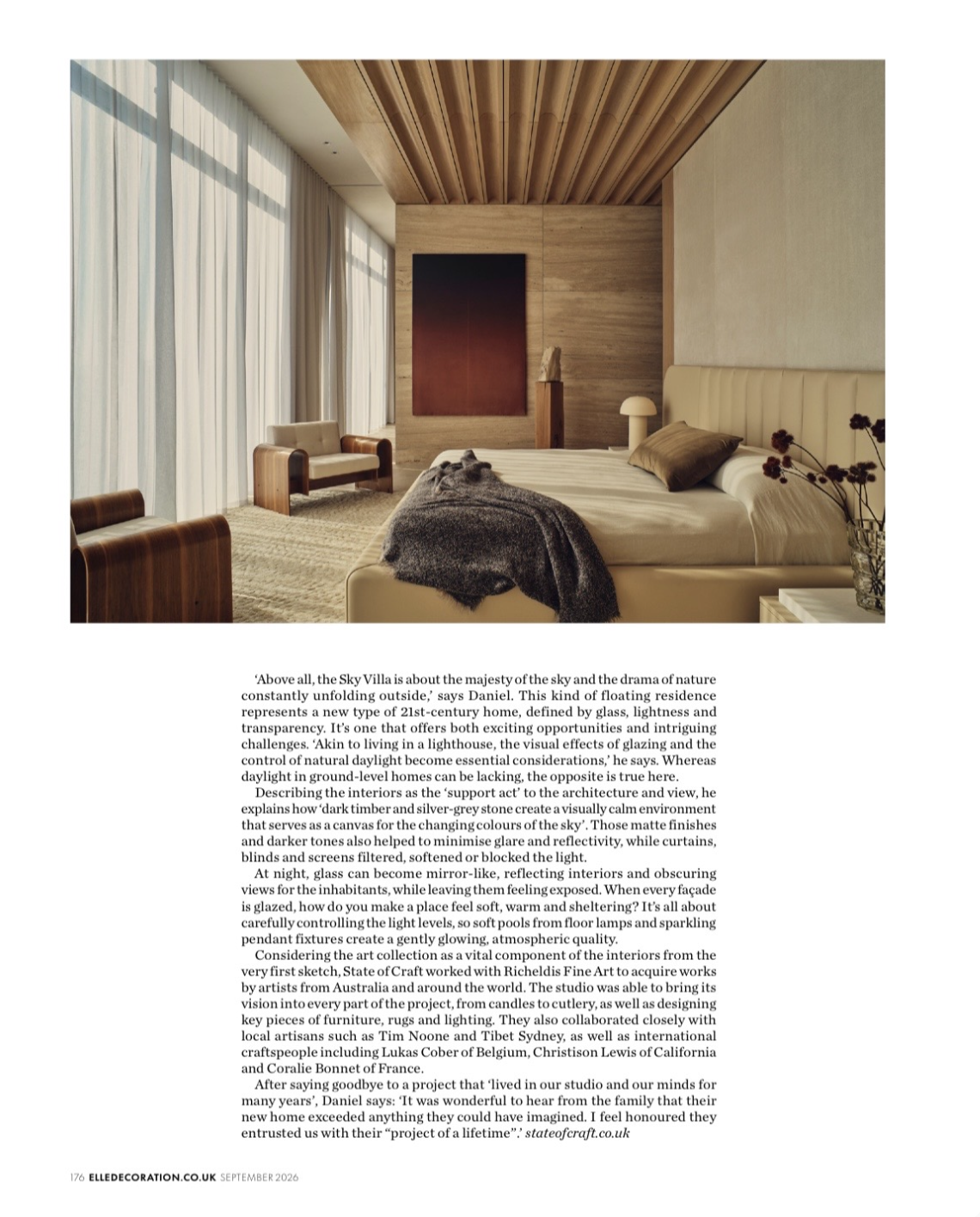
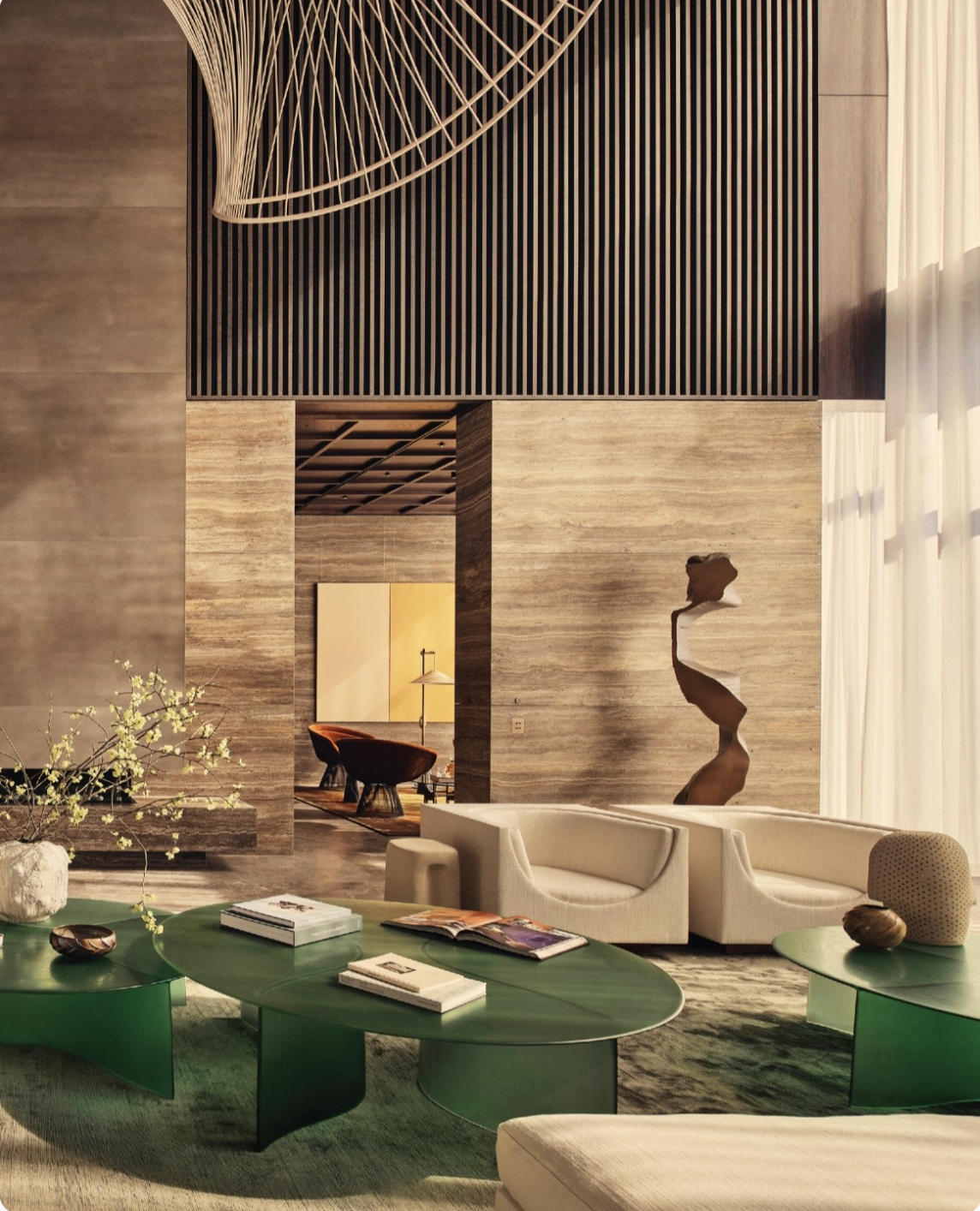
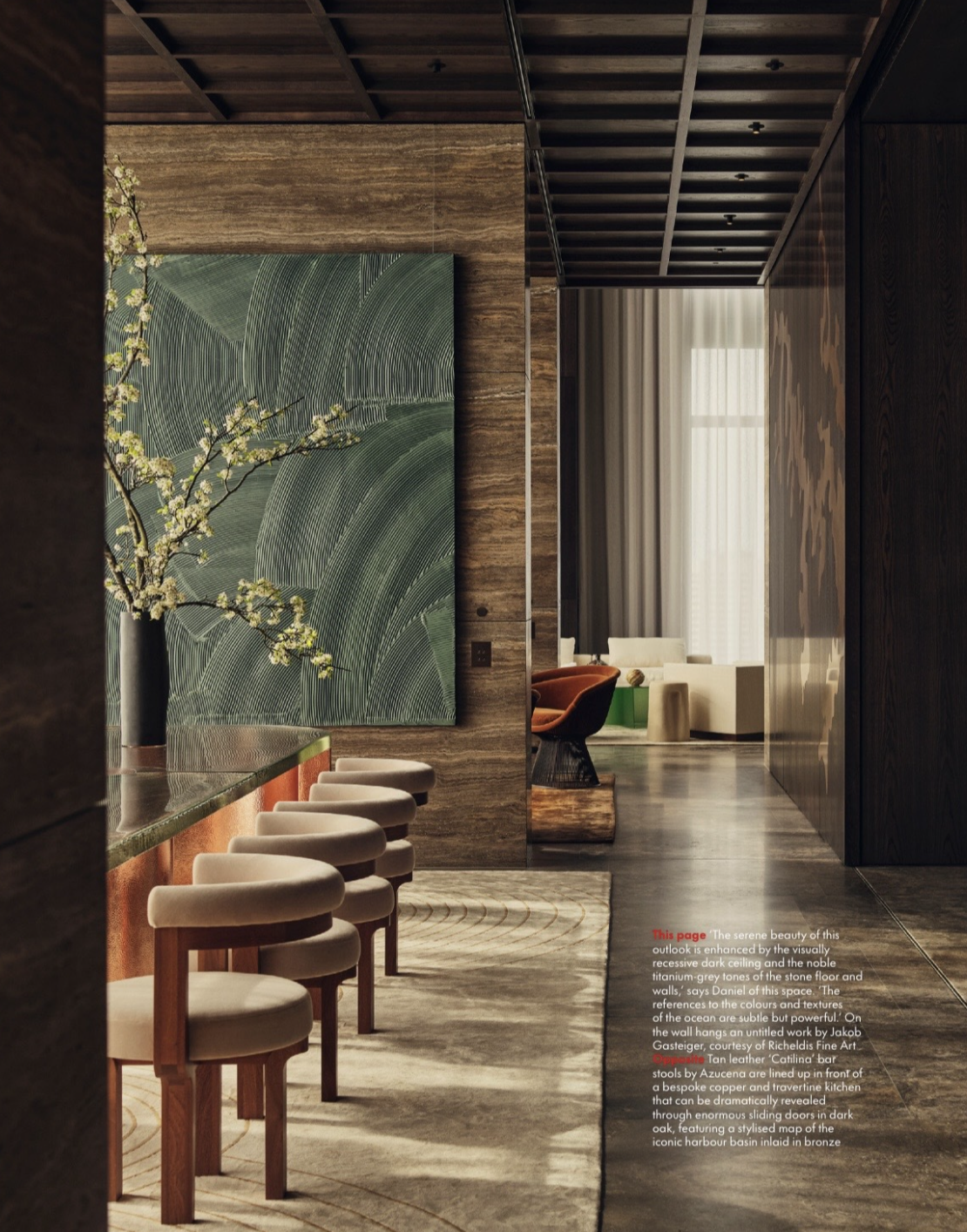
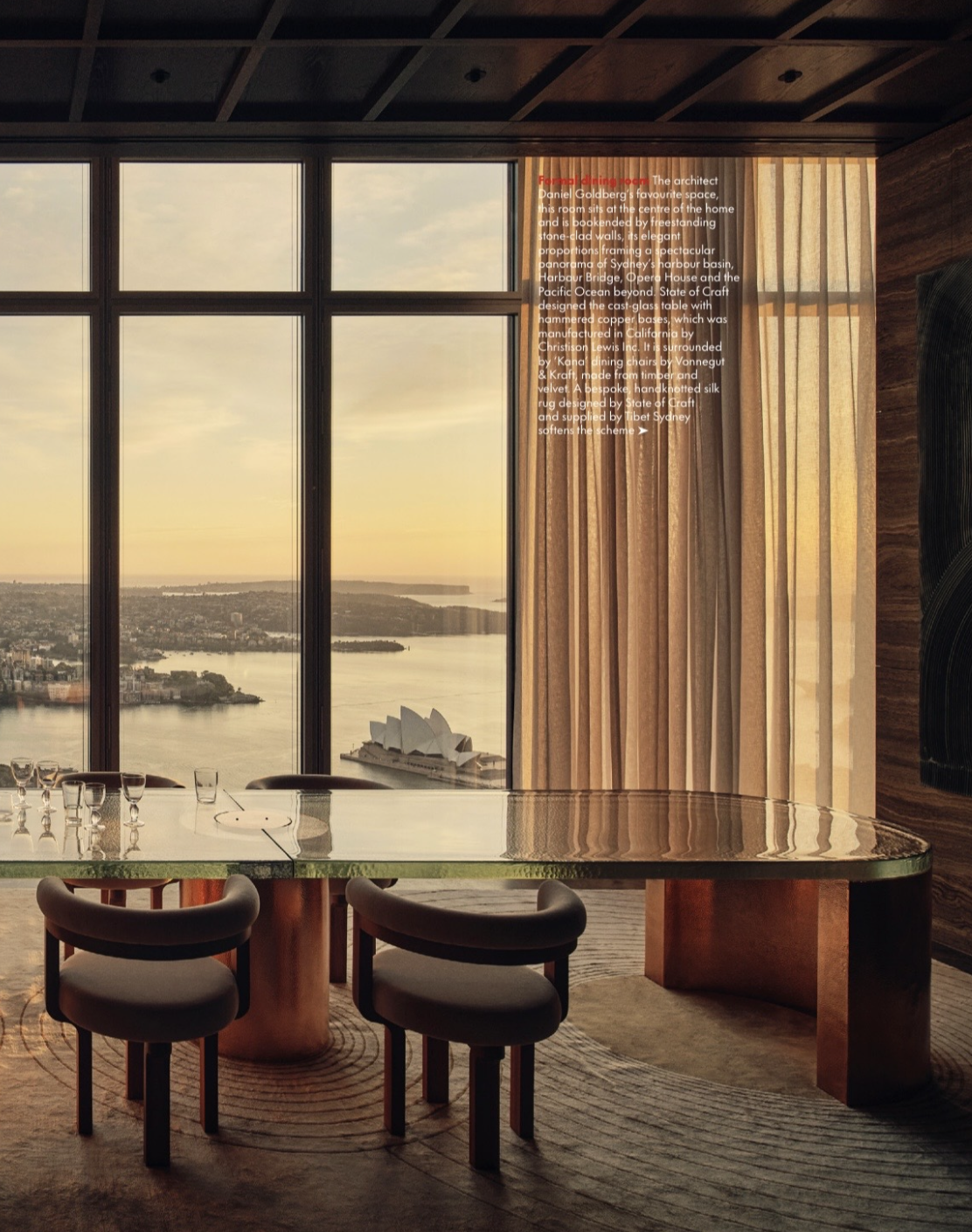
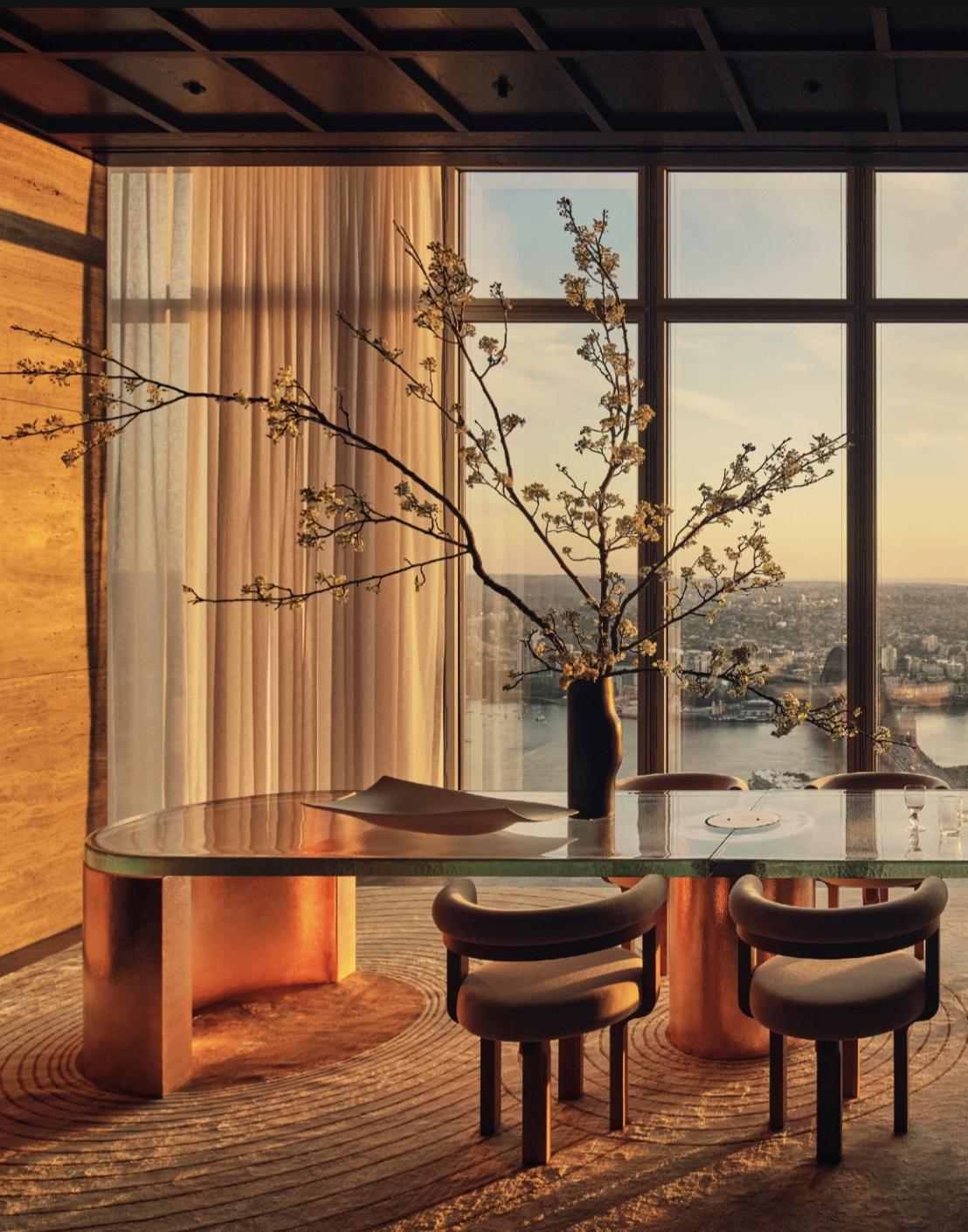
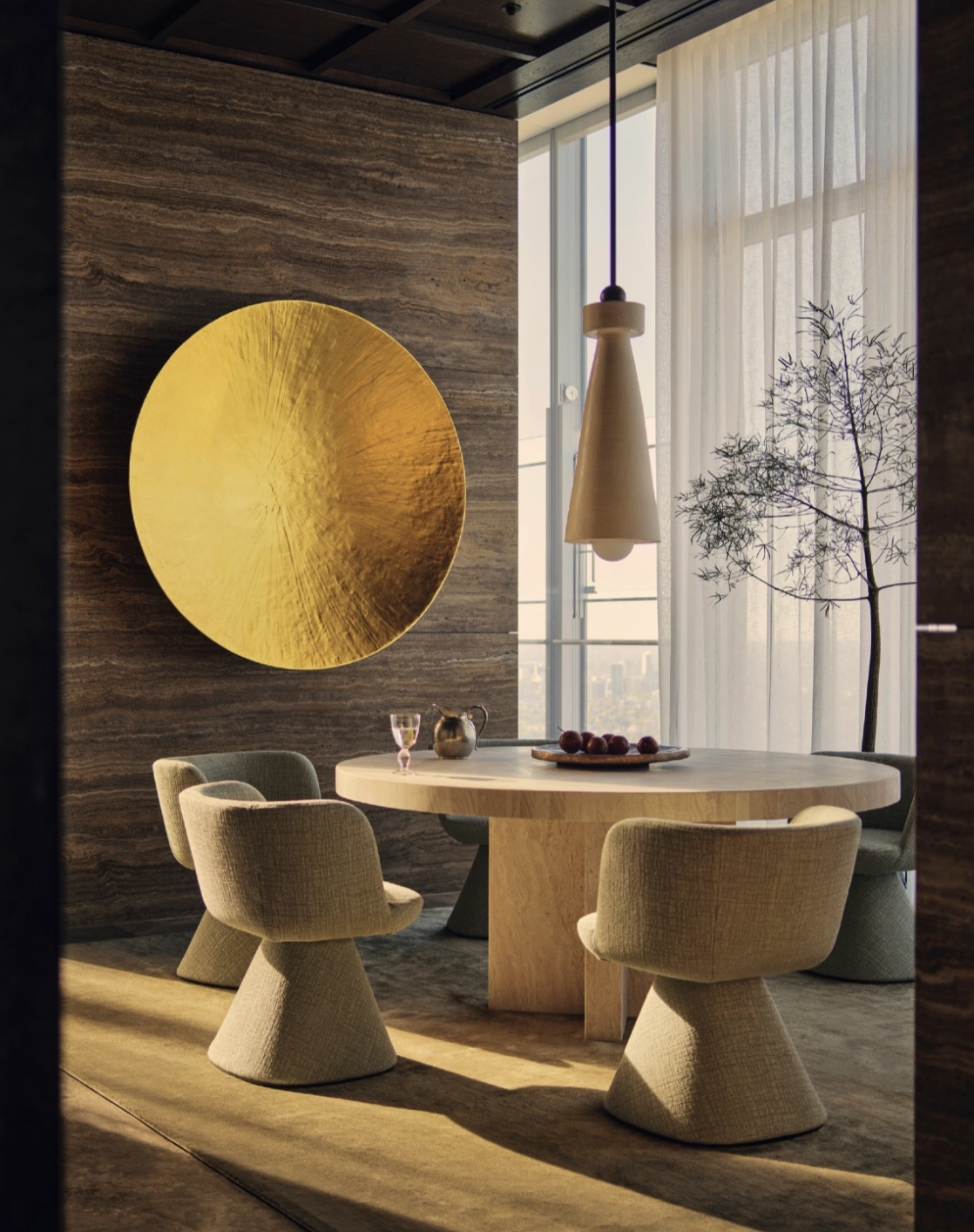
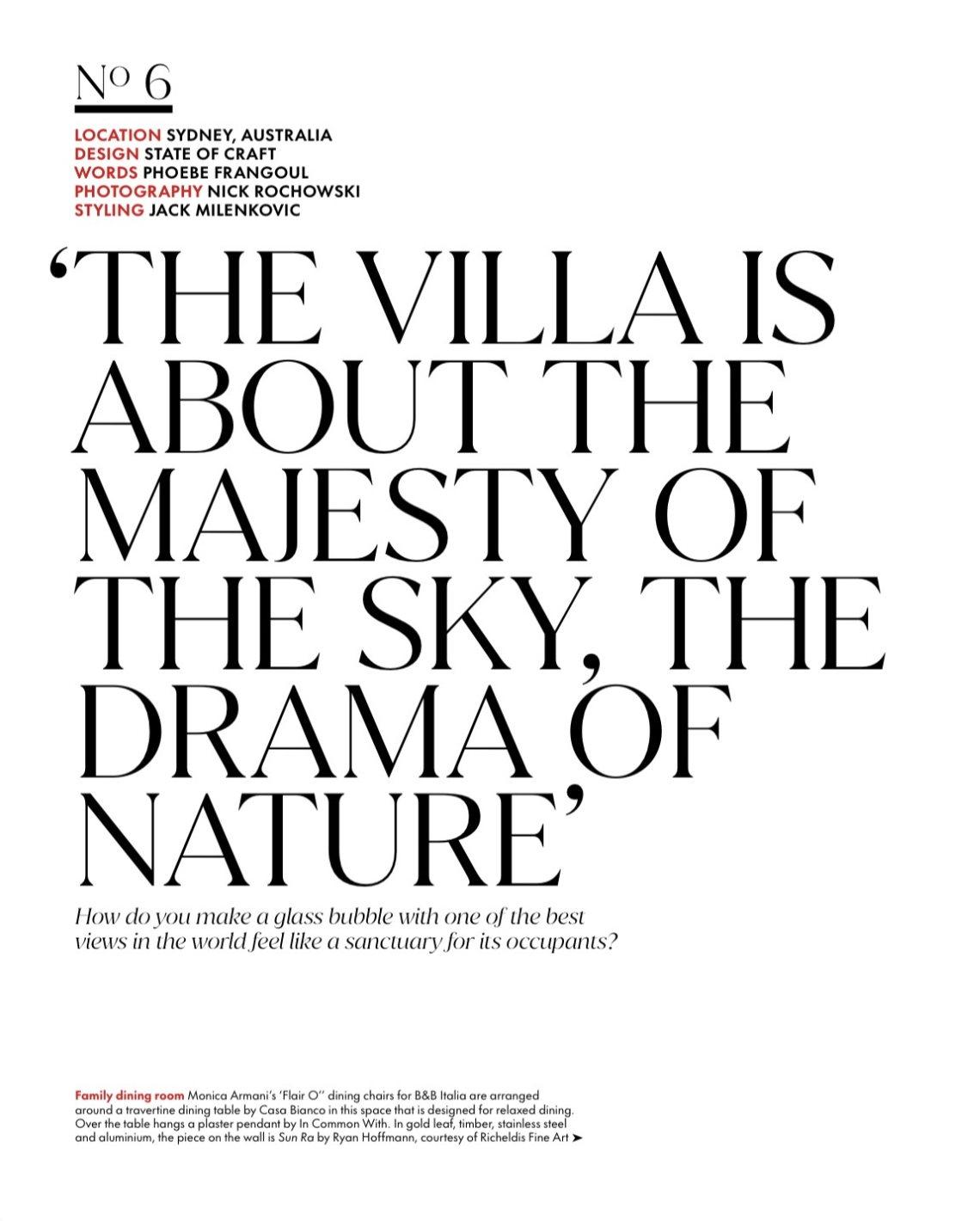
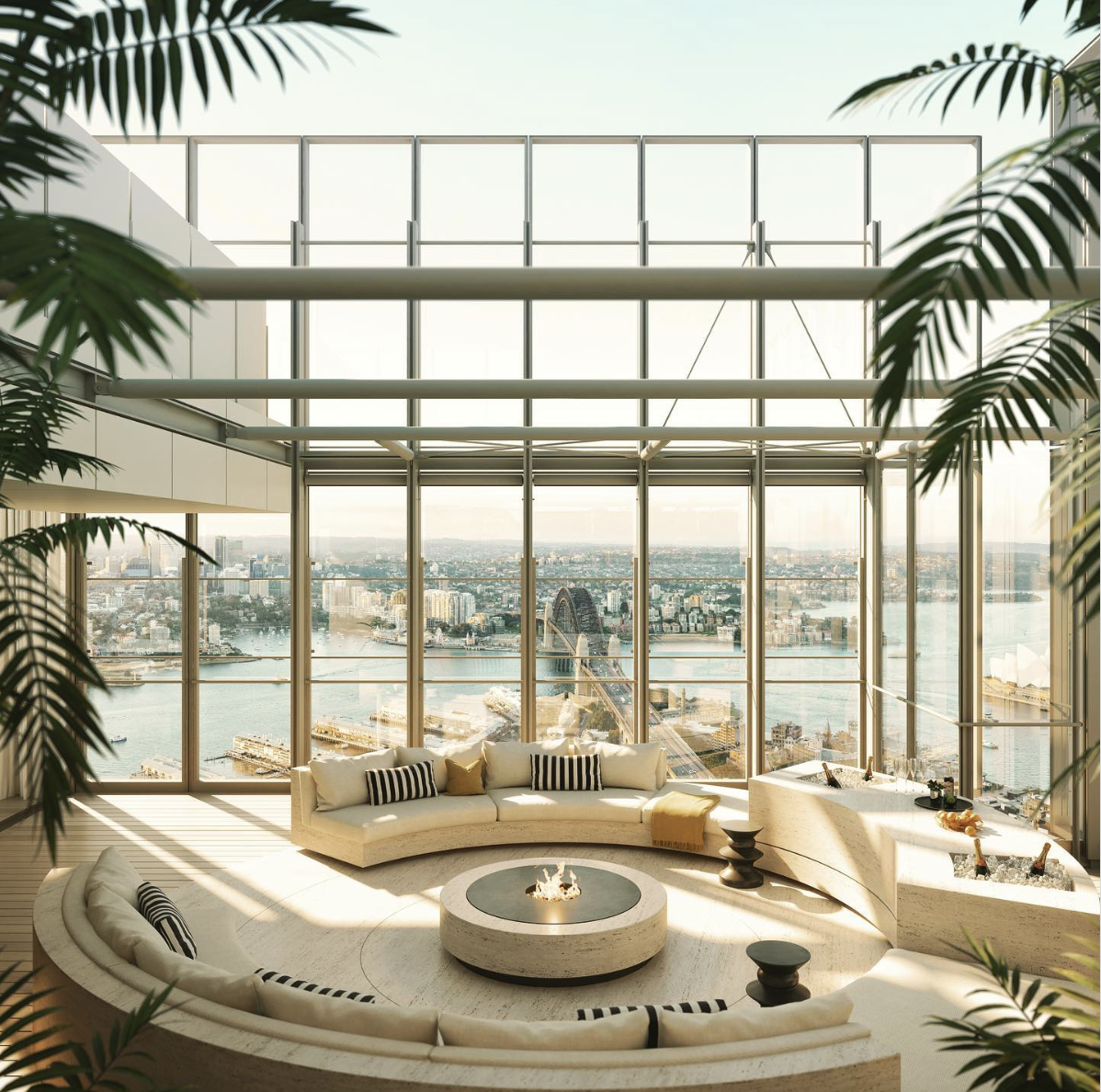
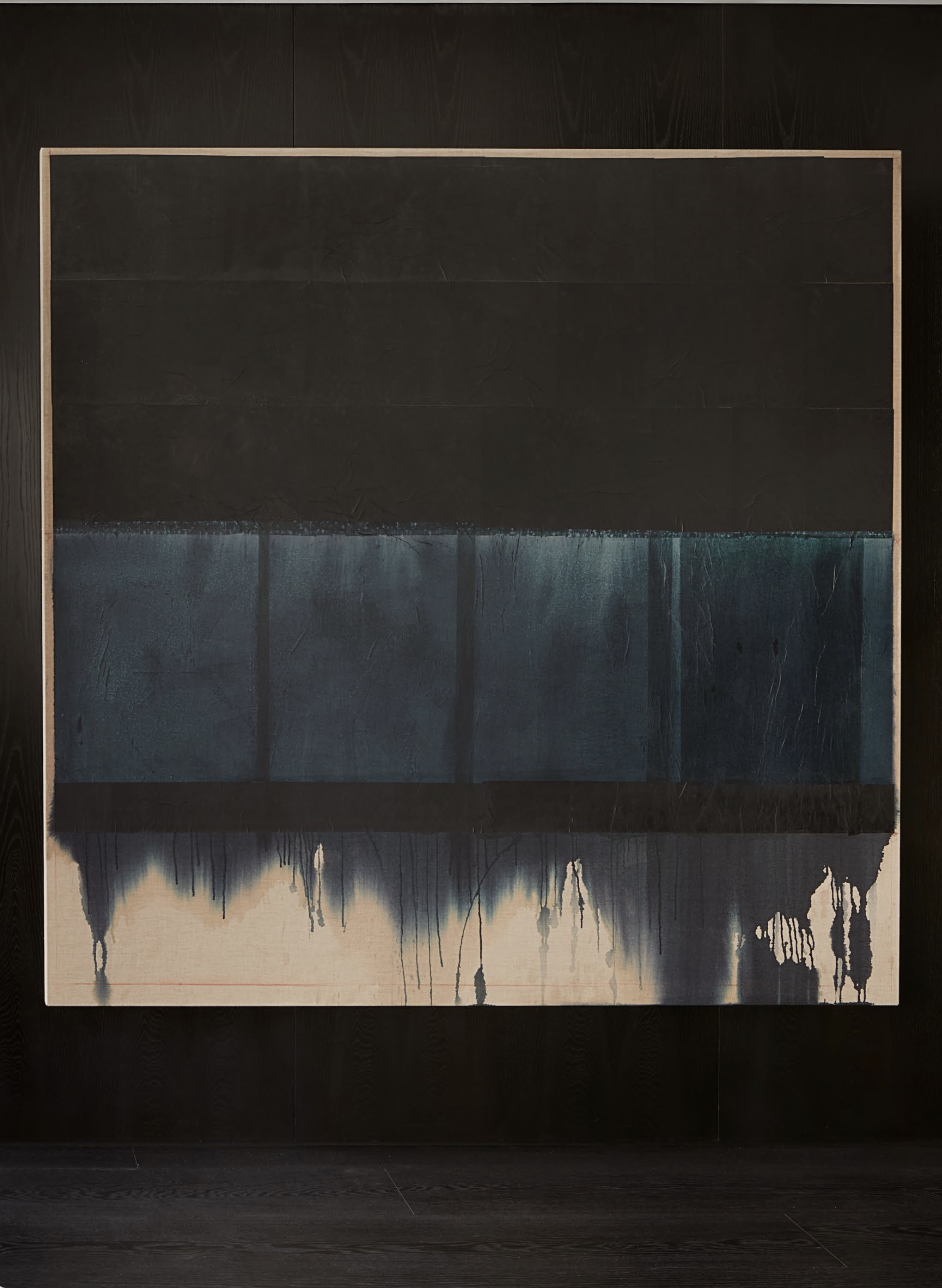
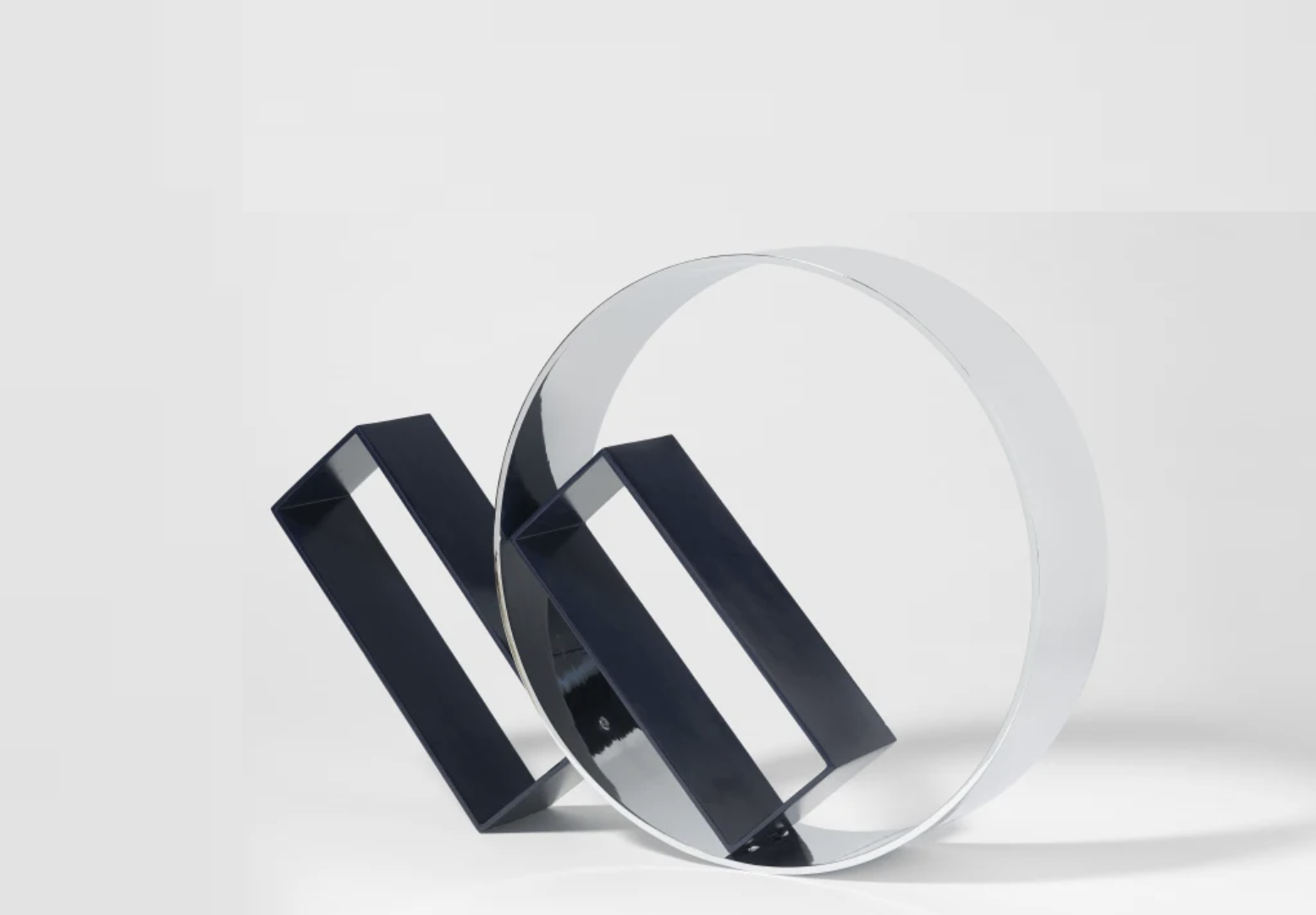
Richeldis Fine Art, in partnership with State of Craft, has curated the art collection for the penthouse at One Sydney Harbour, designed by Renzo Piano Building Workshop. This residence stands as the most prestigious private home in Australia and among the most significant contemporary residences worldwide. Our decade-long collaboration with State of Craft — spanning landmark projects such as The Shard and Shard Place in London — is rooted in a shared ethos: an uncompromising attention to craft and minimalist detail aligned with a curatorial vision that champions emerging artists while acquiring institutional masters. Renzo Piano’s architecture, defined by light, transparency and dialogue with the landscape, shaped the curatorial approach: the art complements rather than competes with the harbour views. Every artwork has been considered for its story, privileging materiality, light and surface over overt representation. The result is a collection that achieves depth through optical and emotional resonance, entering into a language between the works, the architecture, and the continuum of Sydney’s history and setting.

Launching Summer 2026.

RFA Curate Art Collection for Private Residences at the summit of The Shard, London.

Richeldis Fine Art is delighted to have curated the private art collections for four of the highest and most significant private residential apartments at the summit of The Shard, the landmark building designed by Renzo Piano and realised by the Renzo Piano Building Workshop.

Within this exceptional architectural framework—defined by its verticality, structural clarity and orchestration of light—the collections are conceived not as additions, but as integral components of the spatial and perceptual experience, developed in close and ongoing collaboration with State of Craft, the design studio for the project.

Developed as a series of precise, site-responsive compositions, the collections bring together bespoke commissions with works by both museum-established and emerging artists, positioning each apartment within a broader continuum of contemporary artistic practice. In dialogue with the building’s material transparency, shifting atmosphere and panoramic horizon, the works engage fundamental questions of perception, scale and temporality—echoing a lineage in which art, architecture and light are understood as inseparable conditions.

Jakob Gasteiger, The Shard, London.

Richeldis Fine Art curates Shard Place Art Collection, London

Designed by the internationally acclaimed Renzo Piano and his Renzo Piano Building Workshop, the 27-storey building is defined by a striking façade of low-iron glazing that maximises natural daylight and integrates naturally ventilated winter gardens. Floor-to-ceiling windows flood each apartment with light, offering expansive views across London’s ever-changing skyline.

For this landmark development, Richeldis Fine Art, in partnership with State of Craft, has conceived and delivered an ambitious, long-term curatorial programme spanning over five years. Uniquely, the project brings together the work of more than 75 international emerging artists, carefully selected and developed in dialogue with the architecture. Alongside this, Richeldis has secured and integrated institutional artworks, establishing a collection that operates at an institutional level within a residential context. Across the building — from shared spaces to private interiors — over 1,000 artworks have been individually curated and placed, forming a cohesive yet diverse visual language. The result is not simply an art programme, but a sustained curatorial project: one that embeds contemporary artistic practice into the fabric of the building, and positions the development as a significant cultural environment as much as a place of residence.

Cover story of Design Anthology Dec 2022 / issue 13

A collection curated by Richeldis Fine Art / Interior State of Craft VIEW ISSUE

A C O L L E C TO R ’ S L O N D O N TOW N H O U S E

This curated white stucco townhouse is a calming sanctuary in one of London’s most desirable garden squares and showcases the creative vision of a discerning collecting couple with a flair for british modernism and contemporary art, bespoke european design and antiquities. Throughout the architecture and interiors is a fluid conversation between the classical and contemporary which plays out in the unique collection of artworks and objects that have been carefully arranged. There is a clear emphasis on monochrome abstract minimalism and a celebration of materiality, a sensitivity for the processes and histories through which unique objects come into being.

The property features works by Richard Serra, Ben Nicholson and important contemporary works by leading international and emerging artists Joaquim Chancho, Lawrence Calver, Terri Brooks, Alexi Tsioris and Gerry Judah.

‘Line Languages’

Richeldis Fine Art and Encounter are delighted to present ‘Line Languages’ a dual exhibition of acclaimed international artists Alexi Tsioris (Athens, 1982) and Struan Teague (Edinburgh, 1991) opening on Wednesday 23rd of February.

Installation shot

At the core of the show is a reflection on the act of drawing as a central strategy for painting, a mutual sensibility for its rhythms and slippages, directness and vulnerability. Through experimental processes of making and formal invention both Tsioris and Teague place emphasis on the linear as a fundamental vernacular for their works. The directness of automatist mark making is for both a fertile ground for creative exploration. As such, line functions as a key foundational support within the architecture of their works. Echoing the an encounter with an archaeological site when first uncovered and brought to light, the potential of each artist’s marks, slowly and continually reveal themselves through a process of close observation. 

Tsioris’s paintings, drawings and sculptures carve out an intriguing visual vocabulary bound up in the corporeal and the symbolic. The exhibition will combine a series of previously unseen paintings and drawings with important sculptural works created over the last five years. In Tsioris’s innovative material practice, repeated motifs and symbols merge and overlap to form complex and amorphous figures. These undulating bodies of lines are outpourings of imagination energetically drawn from Tsioris’ ‘private alphabet’. This rich visual archive moves between classical statuary, mythological tales and contemporary cartoons which forms the basis of each new work. Whereas his sculptural forms in plaster and bronze explore an instinctive material process of addition and subtraction, other formal concerns of surface and ground are key to both Tsioris’s paintings and drawings. In his ‘sgraffito’ paintings the canvas is primed and polished numerous times, building up multiple layers of paint before it is scratched into to reveal the base below. This painterly process marks an intriguing reversal of Tsioris’s prolific printmaking series in which the textured lines of a printing plate are built up on the paper in converging layers of ink. Through these varied material methods, Tsioris plays with the idea of production through erasure, as Dr Michael Semff comments, the paintings become ‘reductions that release matter’.

Installation shot

In his most recent series of paintings and drawings, the tempos and tides of Teague’s poetic compositions open up alternate spaces of investigation. Configured from quiet shapes of light and shadow, accumulated marks and remembered places the artist’s restrained compositions dance between the miniature and monumental. ‘Line Languages’ marks Teague’s first significant exhibition in the UK for three years. Often working with combinations of graphite pencils, conté pastels and oil pigment sticks the artist builds upon accidental marks such as stains and folds found in the canvasses’ material as a starting point for his abstract compositions. Often the Teague works from old photographs and drawings, the memory of which feed into his painting’s suggestions. A branches’ shadow against a pool, a shard of light on a sun dappled wall. Teague transposes the peripheral and the overlooked into a contemplative space. The artist composes from nuanced gatherings of marks and open spaces allowing a series of offbeat patterns to ebb and flow. 


‘Line Languages’ runs until 7th of March at Copeland Gallery in Peckham.


RFA X émergent magazine

Printed and internationally distributed publication focusing on contemporary painting. émergent brings together both established and developing contemporary painters. émergent can be found in institutions and galleries around the world world such as MoMA PS1in New York and the Tate Modern in London.

Issue 5 / Guest editor Gallery director Emma Richeldis North

5 (1).jpg

R.F.A Emergent Issue 5 / Now in Tate Modern / Serpentine Shop and more.....

“RFA has established an enviable reputation as a leading platform for the discovery, support and development of international emerging and established artists primarily engaged in themes of minimal abstraction.

In a noisy digital age of instant images and disposable fashions, the works emerging from the studios of the captivating group of painters that RFA represents quietly ask us to slow down and take a step back in order to look forward. Through their enduring commitment to critical investigation and material experimentation the artists have the ability to radically refocus our engagement with the rapidly changing contemporary world. Often employing a delicate combination of reduction and repetition the works remove the pictorial and explore what is left, playfully open up new spaces for reflection and inviting us to stop and think. For this issue of Emergent, Emma has brought together a small focused group of such artists each of whom are carving out distinct visual languages which self-consciously and playfully reference the weighty history of painting whilst continuously interrogating new spaces of inquiry emerging on its periphery.  From the quivering compositional grids of septuagenarian Spanish painter Joaquim Chancho to the automatist gestures of young Scottish painter Struan Teague, at the core of the collection is a conflicting impulse between accumulation and erasure, a delicate balance between intuitive gesture and deeply considered subject.

Everything is abstracted from something. Many galleries programs and artist rosters are borne out of the sensibilities of the curators who initiate them and this is certainly the case with RFA.  Emma comes from a family of academics and archaeologists and these initial influences can be found at the core of RFA’s critical agenda today. Hot summer afternoons spent with her father touring 7th Century monasteries in Northern Spain gave an early appreciation for not only tradition and lived ritual but also perhaps more critically an intrinsic understanding of essential architectural qualities such as the use of light, space and sound.  A childhood home filled with culturally and historically diverse material objects ranging from ancient Egyptian Ushabti to Paleolithic spearheads and Chinese manuscripts initiated a lifelong fascination with the layered cultural journeys of objects and their unsettled relation to each other. Later on, Emma graduated as a student of Art History and Improvisational Jazz and this rare and fascinating convergence of academic research and creative experimentation has also provided a rich ground on which the foundations of RFA have been built.

Emma has an uncanny ability to think laterally across genre, medium and market forces to discover often overlooked minimal artists working with a maturity and clarity of vision rarely found in those other than masters from the art-historical past. It is for this reason collectors, curators and creatives continue return to the gallery as a source for inspiration. For me, RFA can attribute much of its success to Emma’s essential understanding that the contemplative pauses and quiet spaces between marks can make as authoritative a statement as the painterly gestures in themselves.  “

Alexander Caspari, Encounter Contemporary in emergent magazine, 2020. Issue 5

émergent issue 5

https://www.emergentmag.com/

RFA X émergent magazine - NEW Edition with guest editor and gallery director Emma Richeldis North

Delighted to announce RFA gallery director Emma North has guest edited the new Issue 05 of contemporary art magazine @emergentmagazine! Featuring works by Fanny Hellgren, Jakob Gasteiger, Joaquim Chancho, Landon Metz, Lawrence Calver, Maarten Van den Bos, Park Seo-Bo, Pat Steir, Ruben Rodrigo, Struan Teague and Terri Brooks, Emma Zhang…


The new issue will be out for print shortly and for pre-orders please go to the link in http://www.emergentmag.com/ bio!

issue-05-gif (1).gif

Lawrence Calver - Indonesia Exhibition

C A L V E R

Contact gallery to receive a catalogue

Gallery artist Lawrence Calver has recently exhibited and documented a collection of his woven artwork In Indonesia. DM to receive a catalogue of artworks. The main location was an 18th century building in the city of Jogja. A city on the Indonesian island of Java known for its traditional arts and cultural heritage. Other locations were found along the way based on colour, texture, and architectural structures. The old bakery is over 100 years old, and very little has changed since the 1920s from the furniture down to the trays and utensils. It seemed fitting to show the work titled ‘1841’ to open up a transient dialogue between the work and its environment. The largest work ‘untitled’ was shot in the entrance to a tofu factory. The ageing and worn effect of the wall shared a strong resemblance to the energy of the artwork. Even the chalk handwriting on the wall draws on similarities from previous works.

Bawdsey.jpg

Drawing series - Chancho

drawing 01. 60,5x91 cm. conté on japanese paper

Chancho’s work has always been abstract, and often minimalist. But its variety is astonishing. There is no sense of randomness, or a butterfly mind. Rather, Chancho’s explorations of colour, geometry and shape seem like stopping-points in a life’s journey through different artistic territories, with each being given a proper period of concentration, and each producing its own harvest
Chancho was born Riudoms, Tarragona, Spain, 1943 / He exhibited internationally in galleries and museums worldwide. With exhibitions at La Fundación Joan Miró, el Centre d’Art Santa Mónica, el Museo de Arte Contemporáneo de Ibiza, el Museo de Arte de Tarragona, el Museo Rufino Tamayo, México, and this year, a major retrospective at the Sala Tecla in Hospitalet de Llobregat (Barcelona). His work can be found in the permanent collections of many important institutions, such as the Fundación La Caixa, the Museo de Arte Contemporáneo of Barcelona and the Generalitat de Catalunya

drawing 01. 2016. 60,5x91 cm. conté on japanese paper.jpg

In the studio Joaquim Chancho Spring 2019

Chancho’s work has always been abstract, and often minimalist. But its variety is astonishing. There is no sense of randomness, or a butterfly mind. Rather, Chancho’s explorations of colour, geometry and shape seem like stopping-points in a life’s journey through different artistic territories, with each being given a proper period of concentration, and each producing its own harvest
Chancho was born Riudoms, Tarragona, Spain, 1943 / He exhibited internationally in galleries and museums worldwide. With exhibitions at La Fundación Joan Miró, el Centre d’Art Santa Mónica, el Museo de Arte Contemporáneo de Ibiza, el Museo de Arte de Tarragona, el Museo Rufino Tamayo, México, and this year, a major retrospective at the Sala Tecla in Hospitalet de Llobregat (Barcelona). His work can be found in the permanent collections of many important institutions, such as the Fundación La Caixa, the Museo de Arte Contemporáneo of Barcelona and the Generalitat de Catalunya

Joaquim Chancho 2019 in his studio Richeldis Fine Art