HOLGER ENDRES
(b. 1971, Speyer, Germany; lives and works in Mannheim)
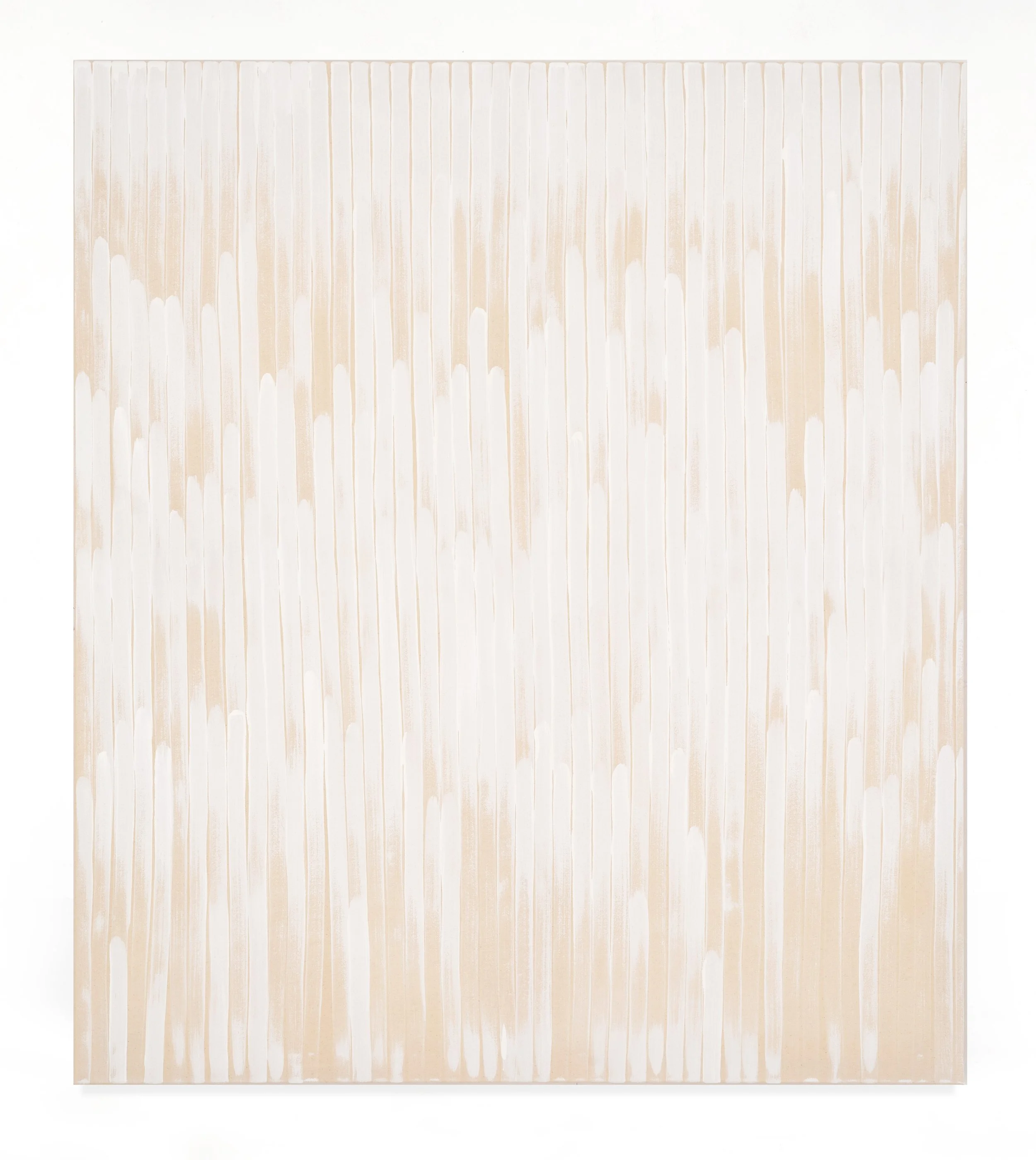
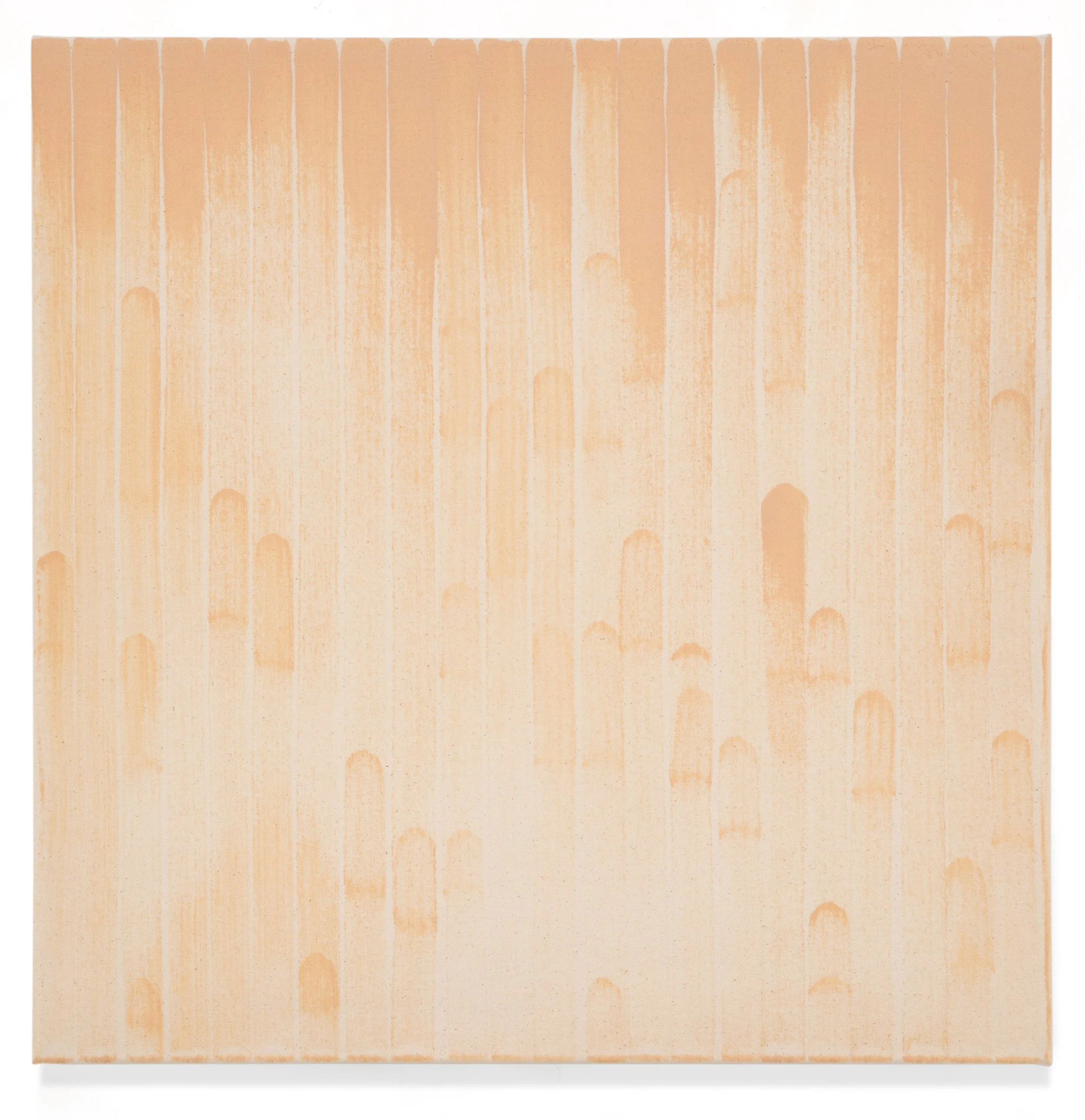
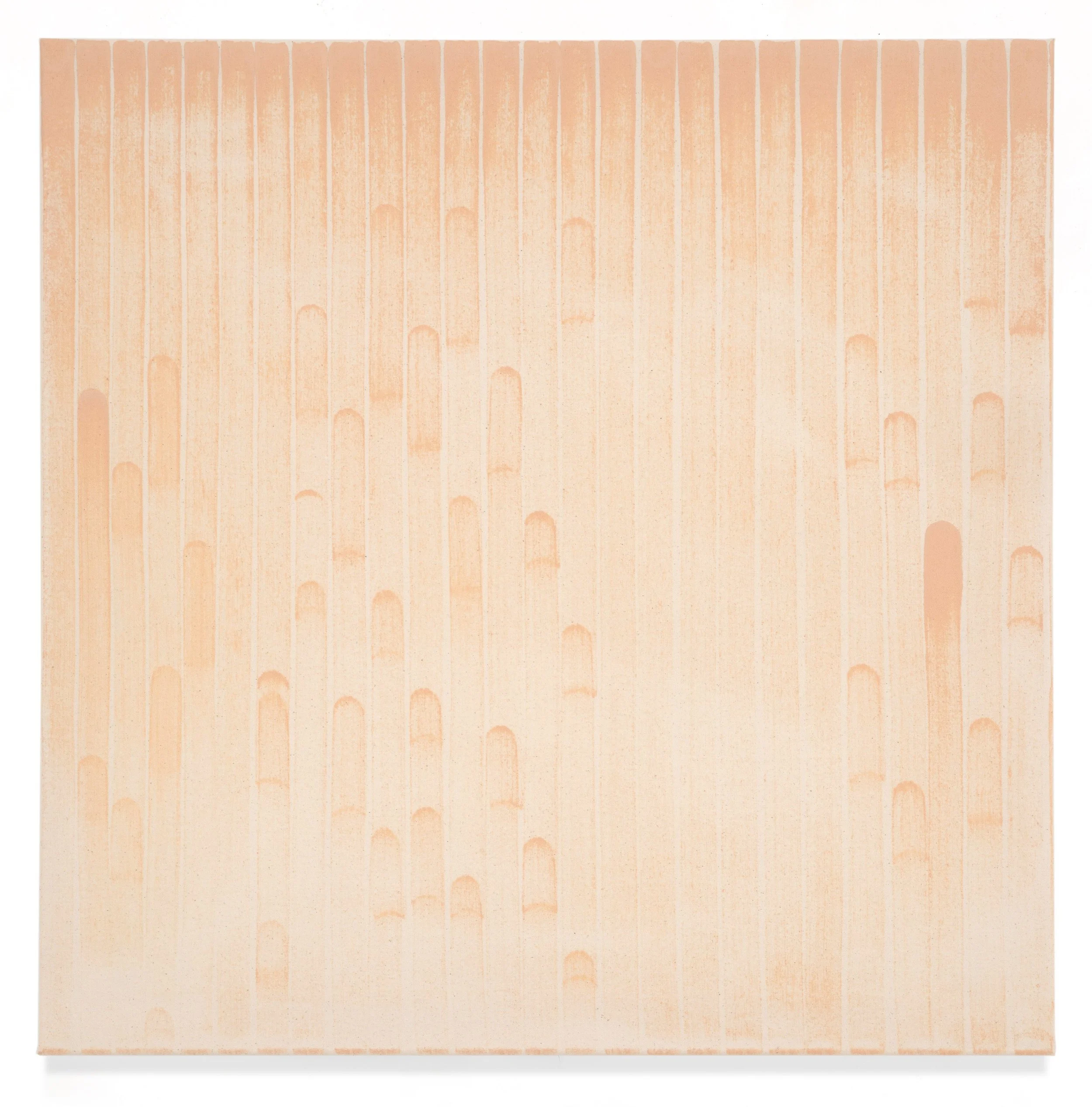
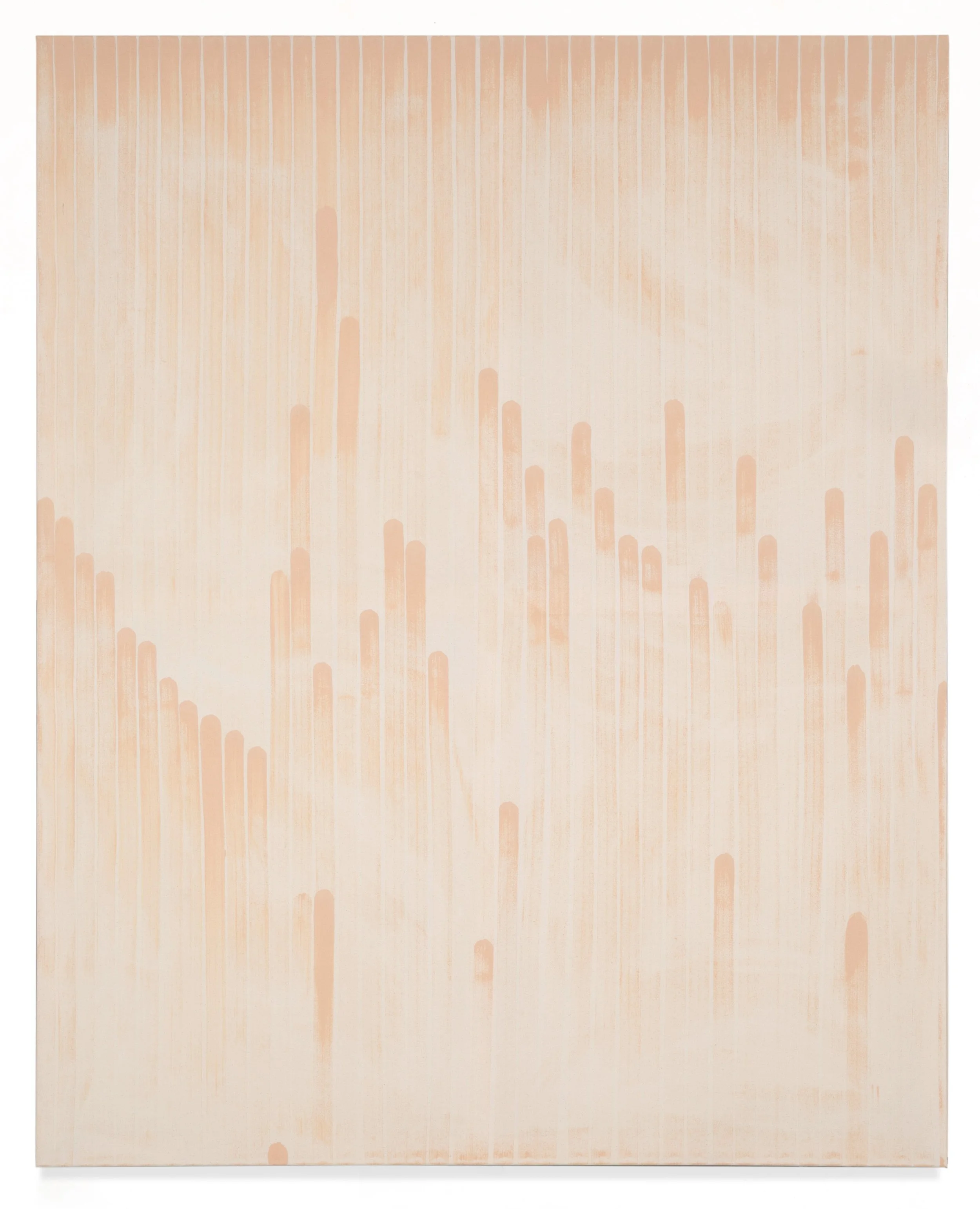
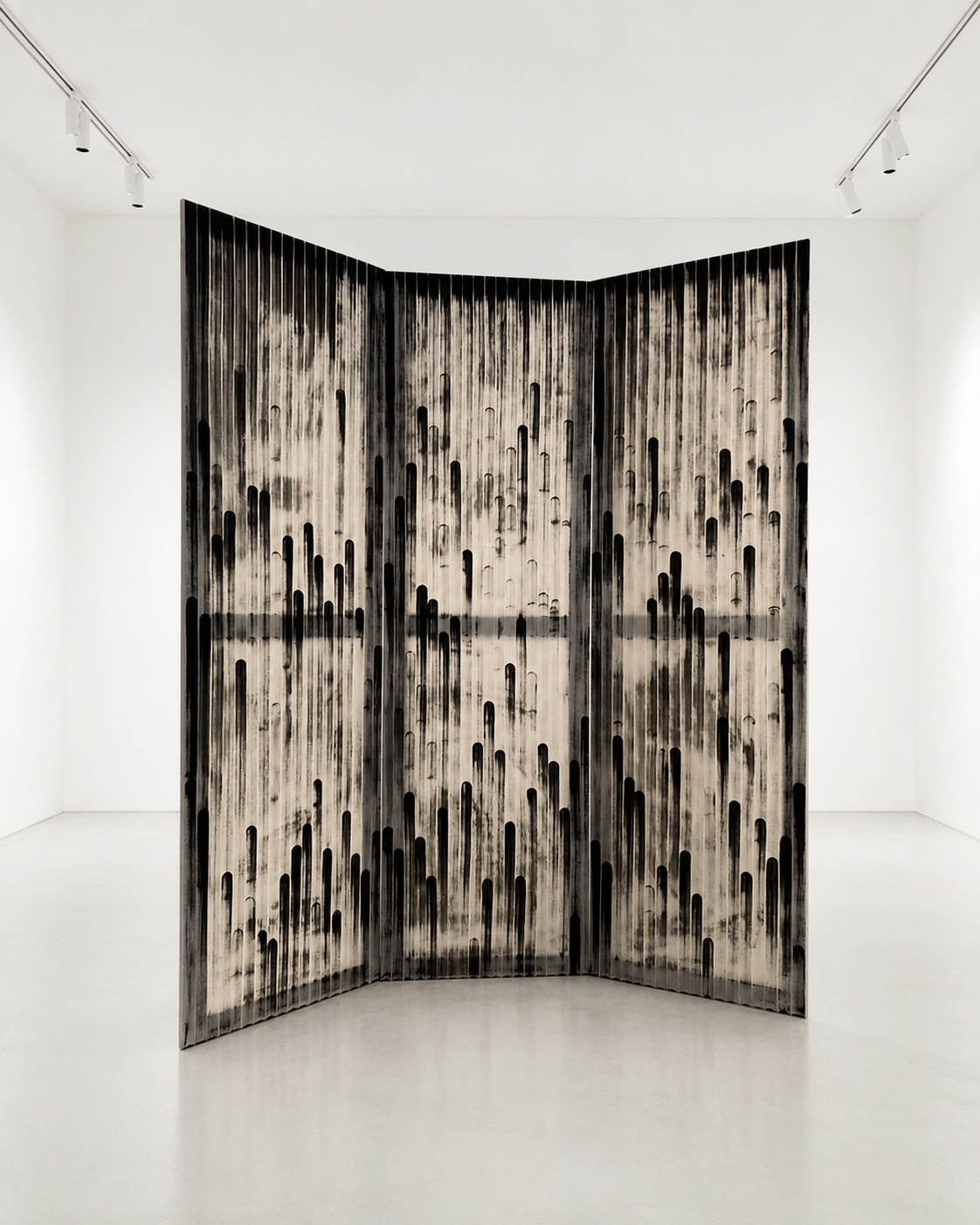
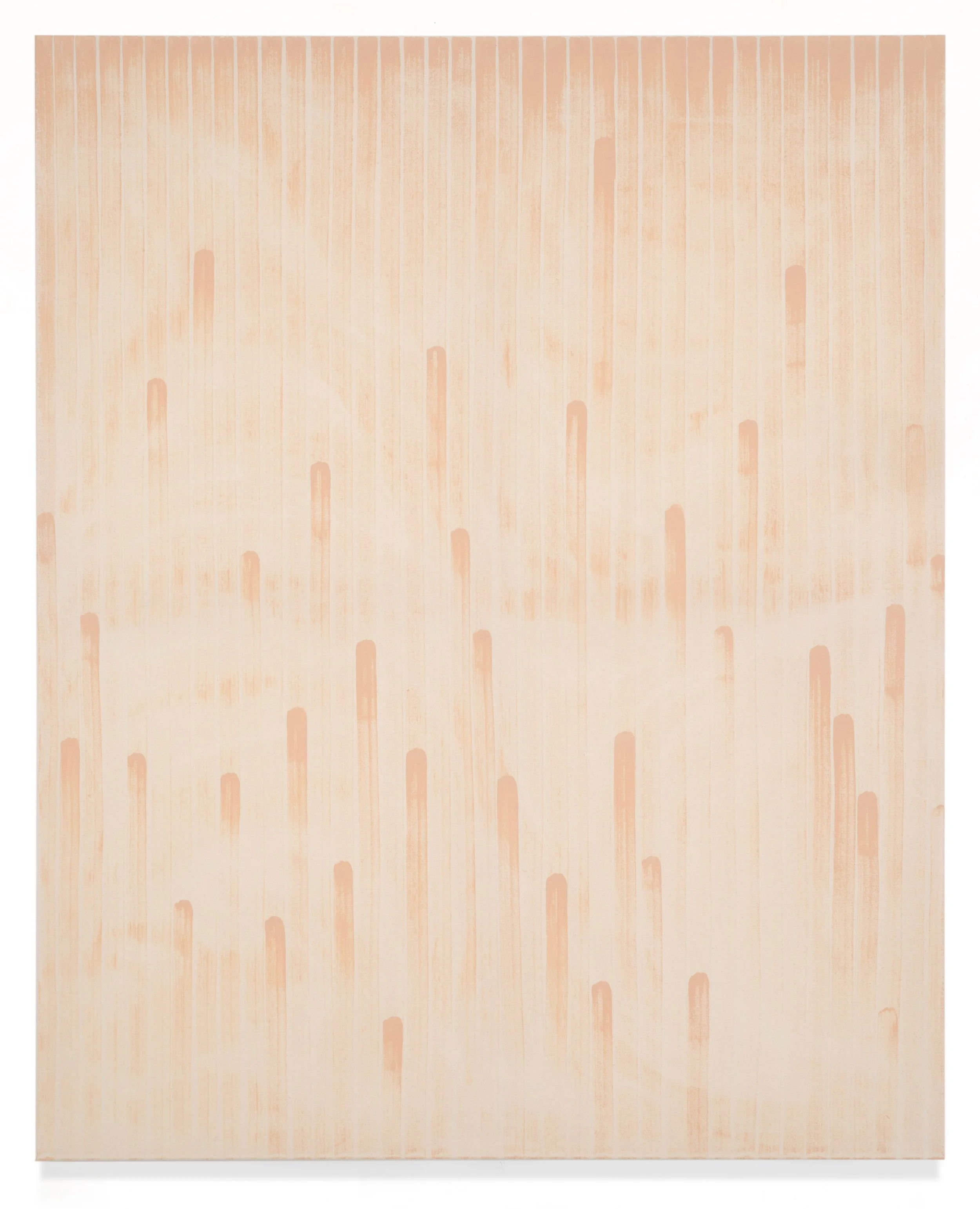
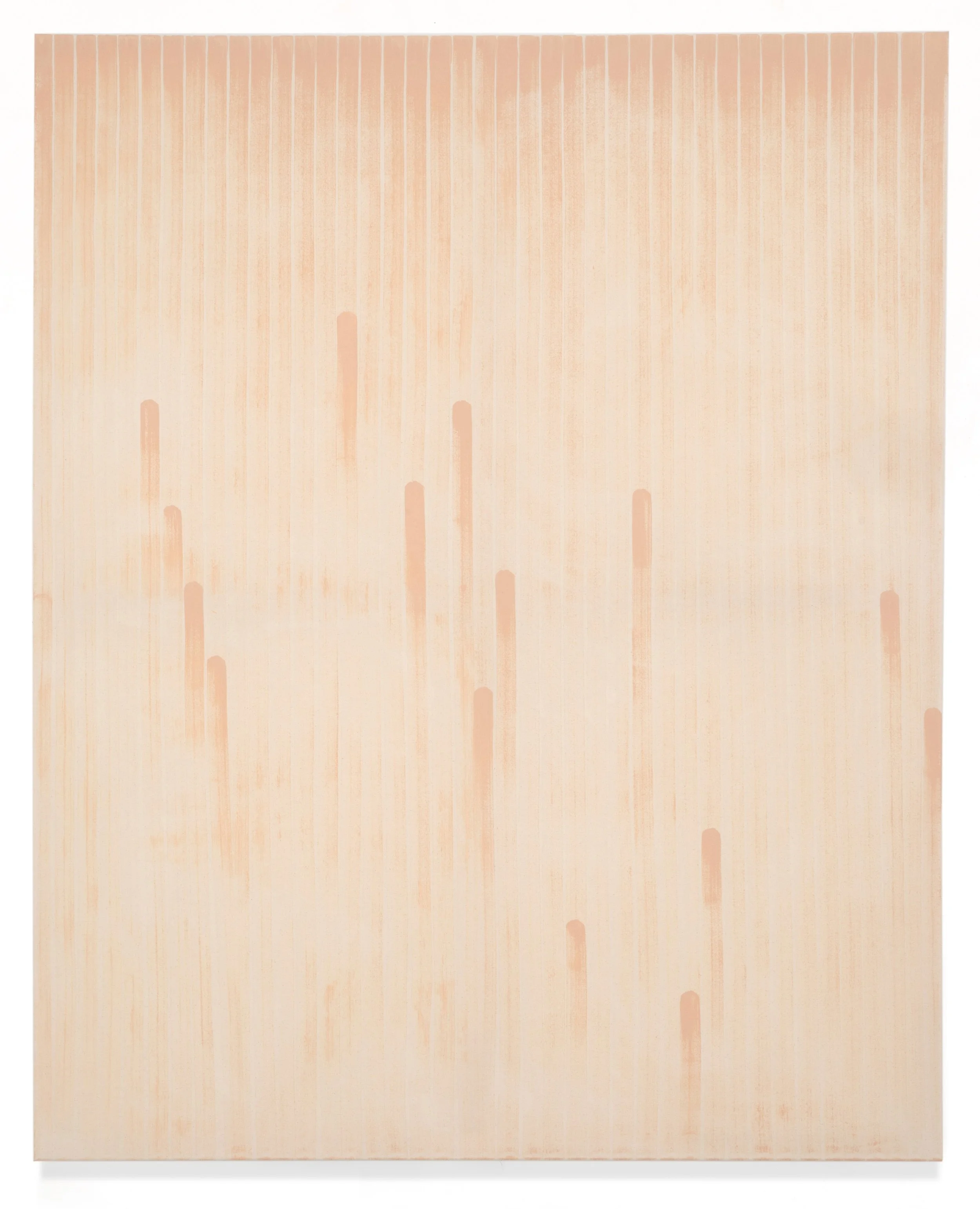
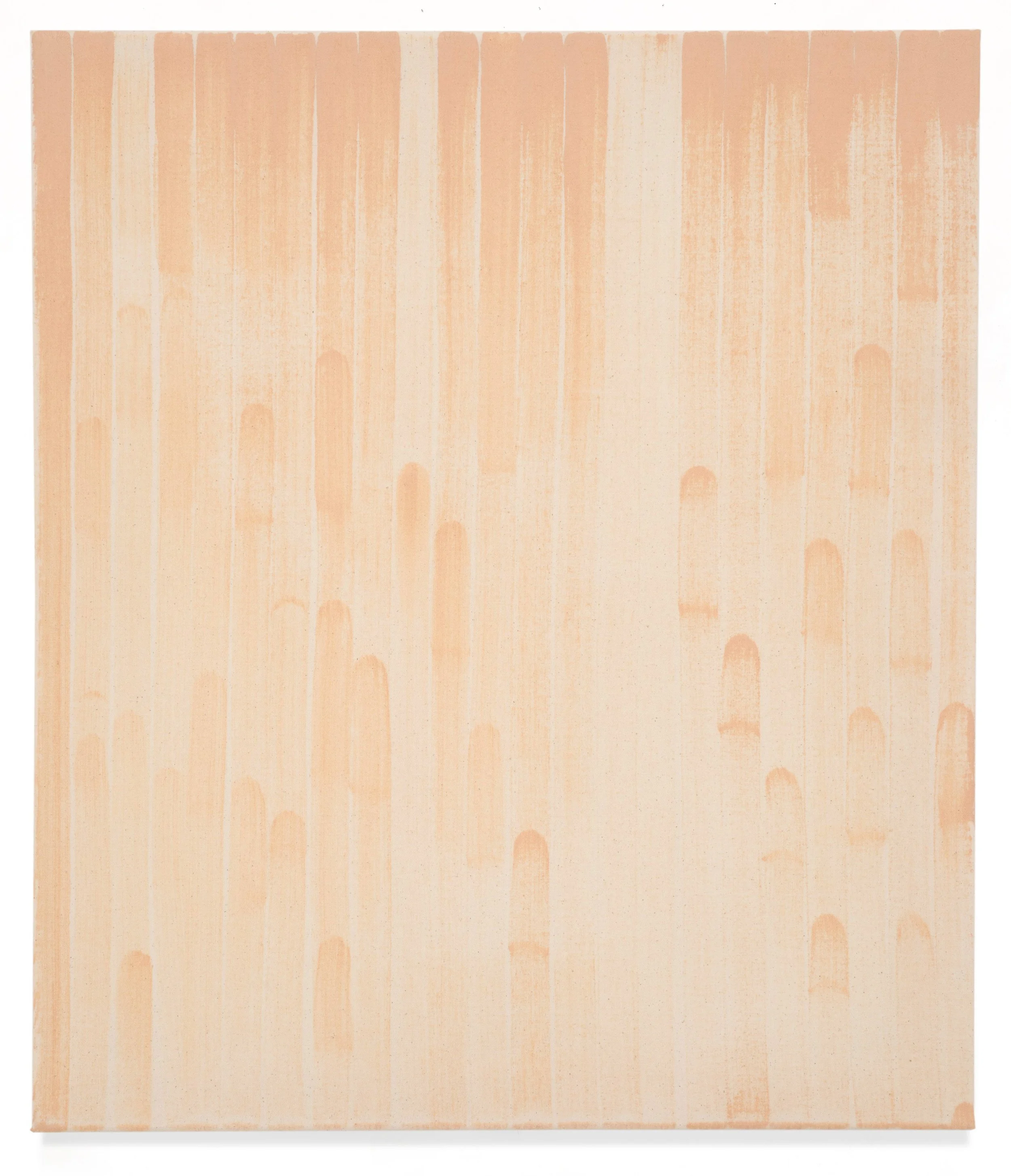
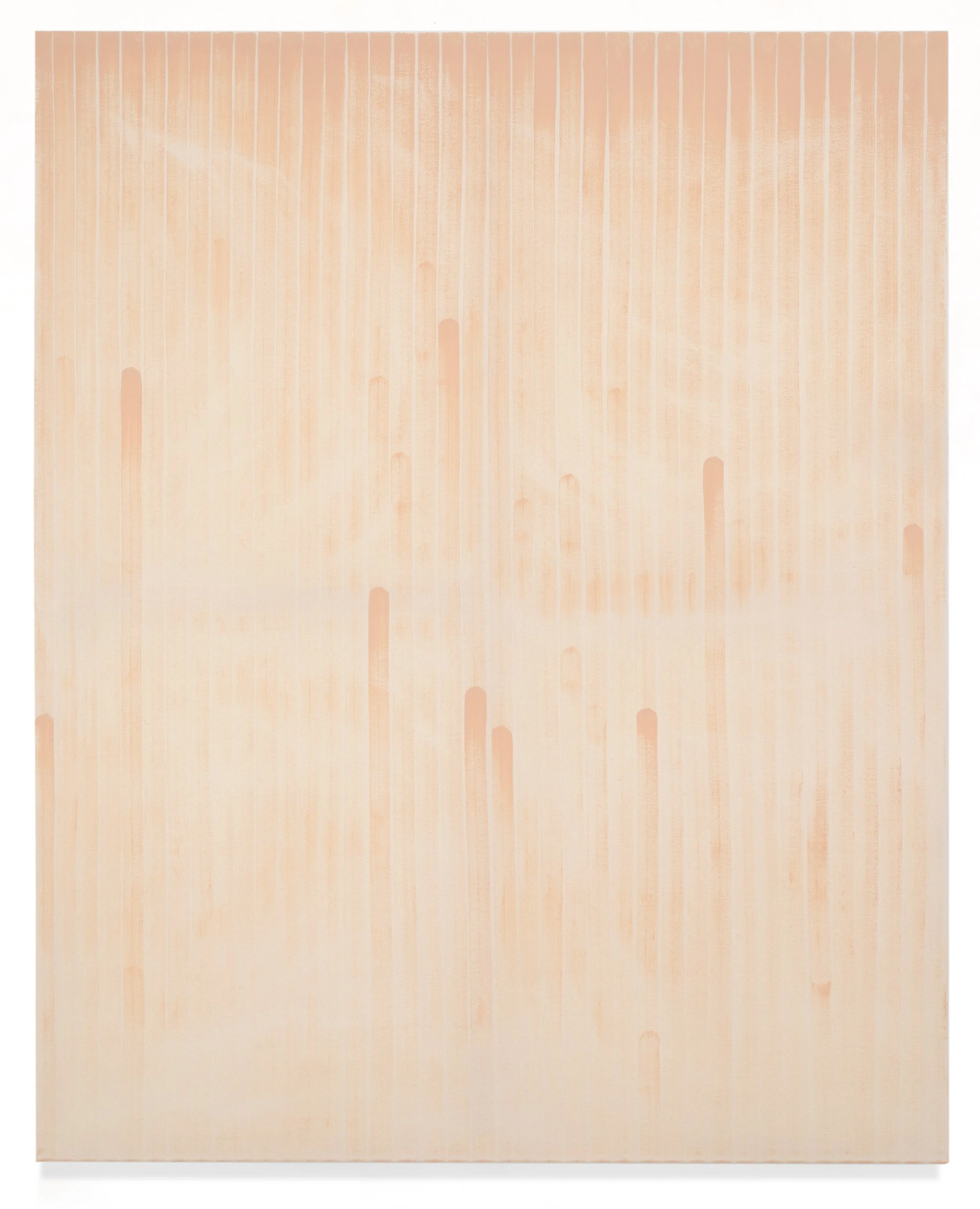
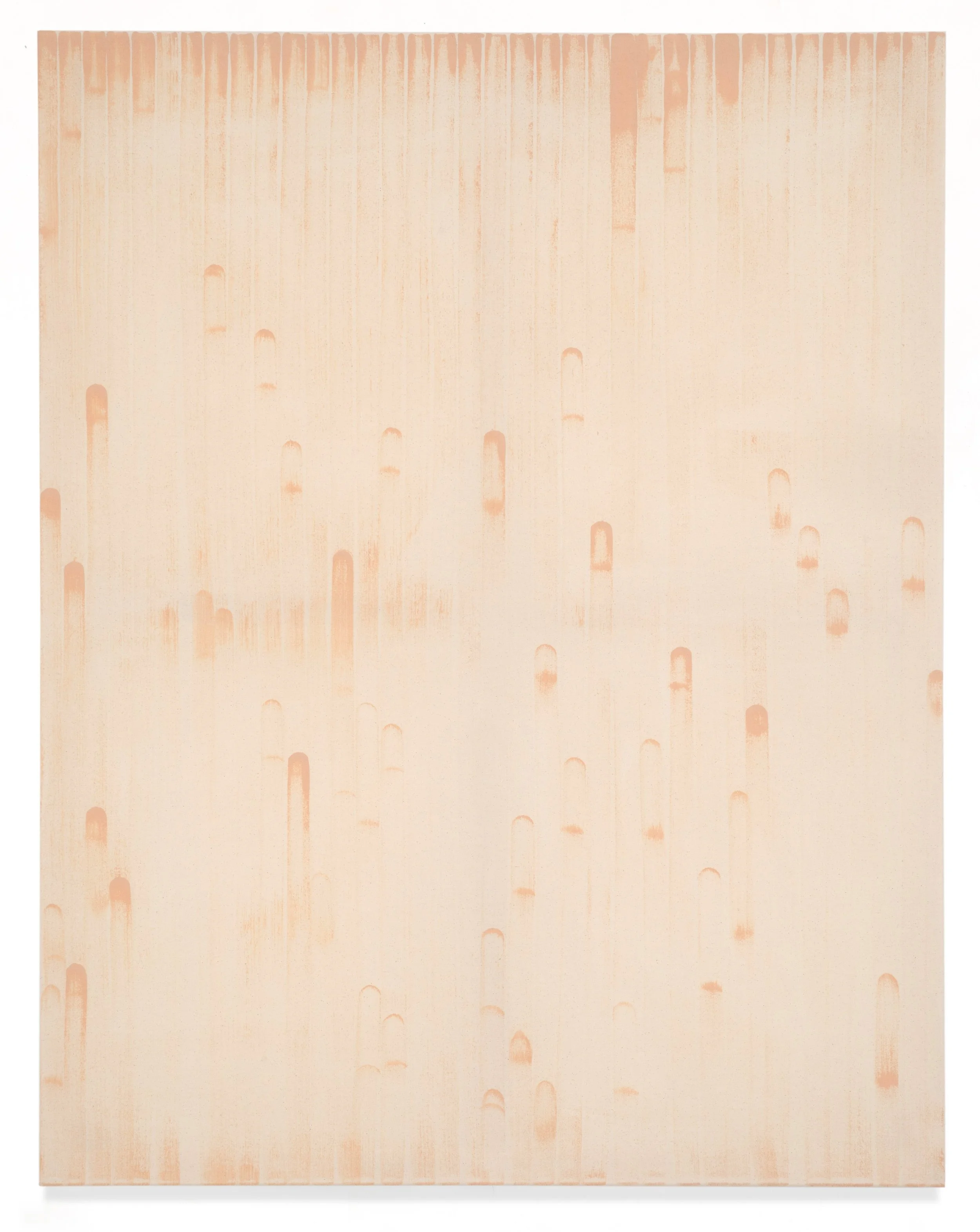
For more than two decades, Holger Endres has pursued a sustained, methodical investigation into the painted line as both a conceptual structure and an irreducible physical event. Working within a self-imposed, rigorous operational framework, each painting or site-specific wall installation is executed in a single, uninterrupted process. The duration of the execution directly corresponds to the lifecycle of the work: no matter how brief or extended the timeline, the piece is completed within that continuous timeframe, allowing every gesture, physical tremor, and environmental condition to remain permanently exposed as both an image and an unedited record of its own making.
The line forms the fundamental unit of Endres’ practice. Through structured repetition, subtle tonal modulations, and the physical endurance of application—often utilizing acrylic, lacquer, or freehand linework on ground surfaces—the line operates as a temporal register of movement, duration, and human presence. Rather than depicting an external narrative or illusionistic subject, Endres’ works make visible the primary conditions of their own creation, transforming the support surface into a forum that records the direct encounter between body, material, and space. Material contingencies, such as a crease in the canvas, the structural ridge of a stretcher frame, or micro-fluctuations in pressure, are absorbed directly into the composition as indexical traces of the immediate environment.
Central to Endres’ methodology is an enduring engagement with performance and somatic discipline. Between 1998 and 2004, prior to and during his formal artistic education, he undertook extensive studies in Japanese Butoh dance and performance art with Minako Seki, Yumiko Yoshioka, and Ishii Mitsutaka. This somatic training deeply informs his spatial sensibility, breathing, rhythm, and acute awareness of bodily presence. His seminal multi-day durational mural project 01 / Magenta Schwarz Weiss—first exhibited at Galerie Bernd Kugler in Innsbruck—served as a explicit homage to legendary Butoh pioneer Kazuo Ohno. In such works, the physical demand of drawing recurring black and white lines across large expanses shifts the artist’s consciousness into a meditative state, directly connecting existential inquiry with spatial practice.
Endres formalised his painterly vocabulary during his studies at the State Academy of Fine Arts Karlsruhe (2000–2005) under Max Kaminski, Erwin Gross, and Elke Krystufek, and was later awarded an artist residency at the Cité Internationale des Arts in Paris (2020–2021). Whether in large-scale room installations, performance collaborations, or recent returns to vertical canvas-bound gestures, his practice continuously interrogates the fundamental questions of existence: isolating the threshold where physical exertion transfigures raw material into a record of pure, concentrated time.